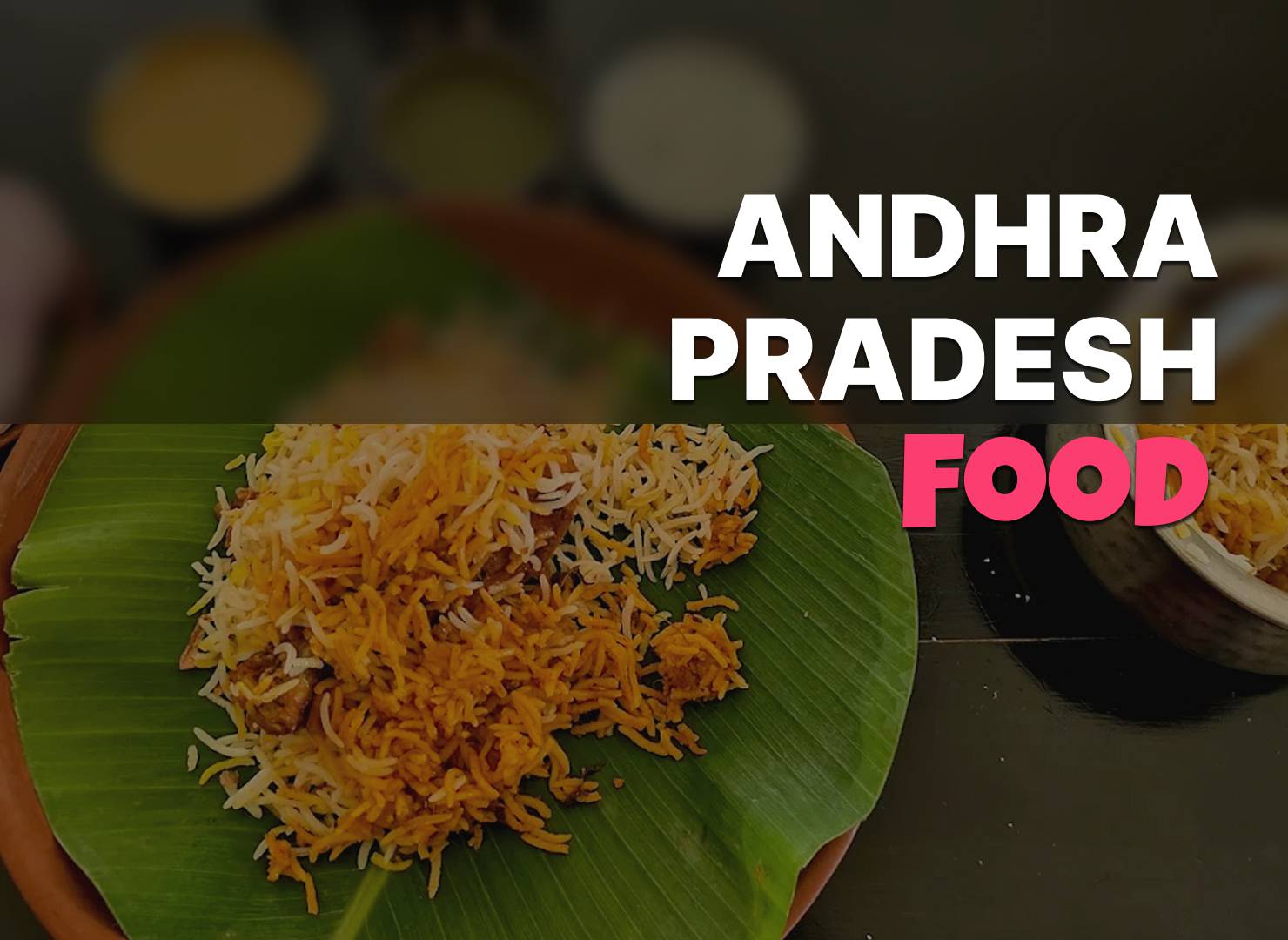
Andhra Pradesh Famous Food – A Complete Guide to Traditional Flavors
Pulihora, gongura pachadi, pesarattu and Andhra chicken curry, with what separates coastal Andhra cooking from Rayalaseema.
- 01 Sep 25
9 min
Mori is one of the larger villages in Sakhinetipalle tehsil, in the district of East Godavari, Andhra Pradesh. The Census of India 2011 recorded a population of 7,357, made up of 3,642 males and 3,715 females. That works out to a sex ratio of about 1,020 females per 1000 males. The village covers 548 hectares hectares. Its pincode is 533250, shared with the other villages in the same post office area.
| Description | Value |
|---|---|
| State | Andhra Pradesh |
| District | East Godavari |
| Tehsil | Sakhinetipalle |
| Pincode | 533250 |
| Area (hectares) | 548 hectares |
| Population | 7,357 |
| Male Population | 3,642 |
| Female Population | 3,715 |
| Sex Ratio (females per 1000 males) | 1,020 |
| Bus Service (public) | Available within village |
| Bus Service (private) | Available within 5 - 10 km distance |
| Nearest Railway Station | Available within 10+ km distance |
By the 2011 count Mori is the 5th largest of the 8 villages in the tehsil, which puts it a little below average, where the typical village holds 9,070 residents. Its 548 hectares work out to about 13 people per hectare, moderately settled. On the sex ratio, women outnumber men here, a little above the tehsil average of 997.
Mori is served by buses within the village, though the nearest railway station is further out. The census records public bus service for Mori as Available within village. Private bus service is recorded as Available within 5 - 10 km distance. For rail, the census notes the nearest railway station as Available within 10+ km distance. These entries describe what was recorded in 2011 and services may have changed since.
Mori lies about 80 km from East Godavari. The figures below are straight-line distances from the village to each place. A road journey is longer, usually by a quarter to a half again.
| Tehsil headquarters | Sakhinetipalle | 8.9 km |
|---|---|---|
| Nearest town | Narasapur | 11 km |
| District headquarters | East Godavari | 80 km |
These are the nearest recorded villages by distance rather than by name, all of them in Sakhinetipalle tehsil.
Source: Census of India 2011, the most recent completed census. Figures have not been revised since collection. Read more on our about the data page.
As per the Census of India 2011, Mori village had a population of 7,357. That makes it the 5th largest of the 8 villages in the tehsil, a little below average for the tehsil, where the typical village holds 9,070 residents.
Mori village has 3,642 males and 3,715 females as recorded in the 2011 census.
Working from the 2011 counts, Mori has about 1020 females for every 1000 males. In short, women outnumber men here, a little above the tehsil average of 997.
The pincode recorded for Mori is 533250. Large villages sometimes share a pincode with neighbouring settlements.
Mori covers 548 hectares as recorded in the census. Against its 2011 population that is roughly 13 people per hectare, moderately settled.
Mori falls under Sakhinetipalle tehsil of East Godavari district in Andhra Pradesh.
The census record for Mori notes the nearest railway station as Available within 10+ km distance.
The census records public bus service as Available within village and private bus service as Available within 5 - 10 km distance for Mori.
Mori is about 80 km from East Godavari in a straight line. Road distance is longer, usually by a quarter to a half again, depending on the route.
Mori is in Sakhinetipalle tehsil of East Godavari district. Sakhinetipalle is about 8.9 km away. Narasapur is about 11 km away. East Godavari is about 80 km away. Straight-line distances are a guide to how far out the village sits, not a driving figure.
The closest recorded villages are Kesavadasupalem (2.4 km), Antarvedipalem (2.6 km) and Appanaramuni Lanka (5.2 km).
No. It is the count from the Census of India 2011, the most recent completed census. The population of Mori today is likely to be higher.
Explore the beauty of india and villages of india with our blog.
Pulihora, gongura pachadi, pesarattu and Andhra chicken curry, with what separates coastal Andhra cooking from Rayalaseema.
9 min
Banglarbhumi पर khatian और प्लॉट की जानकारी देखने का तरीक़ा, RS और LR खतियान का फ़र्क़, मौज़ा तथा JL number की भूमिका।
9 min
Mahabhumi पर 7/12 (satbara) और 8अ निकालने का तरीक़ा, विभाग चुनने की अड़चन, digitally signed उतारा, और हर पंक्ति का मतलब।
9 min
Apna Khata पर jamabandi nakal निकालने का तरीक़ा, सूचनार्थ और ई-हस्ताक्षरित नक़ल का फ़र्क़, नामांतरण और गिरदावरी की जानकारी।
9 min
MP Bhulekh पर khasra, khatauni और B1 निकालने का तरीक़ा, मुफ़्त नक़ल और हस्ताक्षरित प्रति का फ़र्क़, और हल्का चुनने की अड़चन।
9 min
Bihar Bhumi पर jamabandi पंजी, khatian और लगान रसीद देखने का तरीक़ा, और जमाबंदी में ग़लती हो तो परिमार्जन कैसे कराएँ।
9 min