Lucknow Food Guide 2025: Must-Try Awadhi Cuisine & Street Food Spots
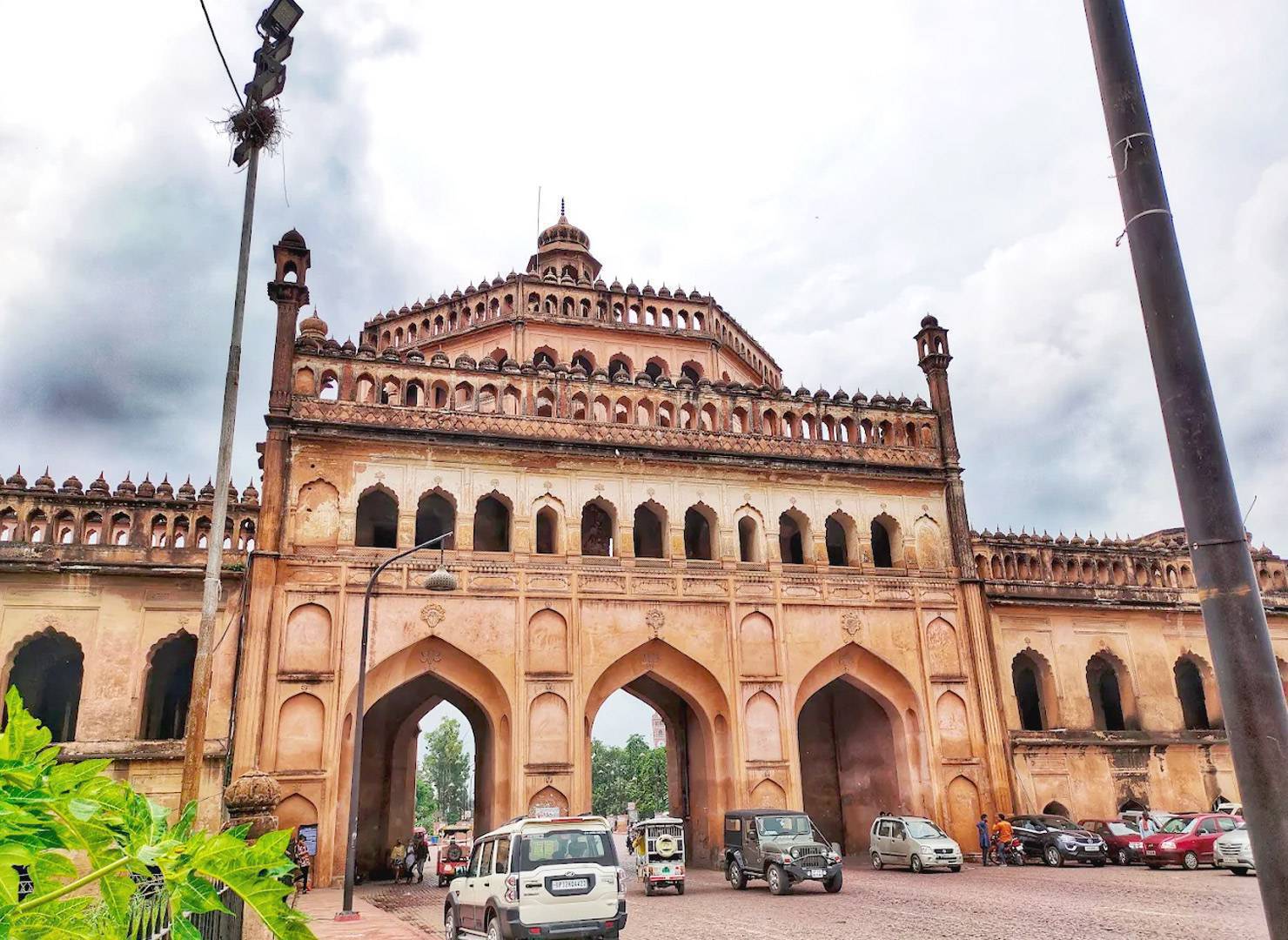
Tunday, seekh, shami and kakori kebabs, the korma, and the dum cooking that makes the Awadhi food of Lucknow what it is.
- 12 Aug 25
14 min
Nizampur is a large village in Mohanlalganj tehsil, in the district of Lucknow, Uttar Pradesh. The Census of India 2011 recorded a population of 2,682, made up of 1,411 males and 1,271 females. That works out to a sex ratio of about 901 females per 1000 males. The village covers 422.26 hectares hectares.
| Description | Value |
|---|---|
| State | Uttar Pradesh |
| District | Lucknow |
| Tehsil | Mohanlalganj |
| Area (hectares) | 422.26 hectares |
| Population | 2,682 |
| Male Population | 1,411 |
| Female Population | 1,271 |
| Sex Ratio (females per 1000 males) | 901 |
| Bus Service (public) | Available within <5 km distance |
| Bus Service (private) | Available within <5 km distance |
| Nearest Railway Station | Available within 5 - 10 km distance |
By the 2011 count Nizampur is the 46th largest of the 228 villages in the tehsil, which puts it a little above average, where the typical village holds 1,957 residents. Its 422.26 hectares work out to about 6.4 people per hectare, moderately settled. On the sex ratio, there are noticeably fewer women than men, a little below the tehsil average of 927.
Nizampur is reached by bus from a few kilometres away, with rail a longer trip. The census records public bus service for Nizampur as Available within <5 km distance. Private bus service is recorded as Available within <5 km distance. For rail, the census notes the nearest railway station as Available within 5 - 10 km distance. These entries describe what was recorded in 2011 and services may have changed since.
Nizampur lies about 22 km from Lucknow, and the nearest railway station is Anupganj, about 3.4 km away. The figures below are straight-line distances from the village to each place. A road journey is longer, usually by a quarter to a half again.
| Nearest railway station | Anupganj | 3.4 km |
|---|---|---|
| Nearest town | Nawābganj | 18 km |
| Tehsil headquarters | Mohanlalganj | 18 km |
| District headquarters | Lucknow | 22 km |
These are the nearest recorded villages by distance rather than by name, all of them in Mohanlalganj tehsil.
Source: Census of India 2011, the most recent completed census. Figures have not been revised since collection. Read more on our about the data page.
As per the Census of India 2011, Nizampur village had a population of 2,682. That makes it the 46th largest of the 228 villages in the tehsil, a little above average for the tehsil, where the typical village holds 1,957 residents.
Nizampur village has 1,411 males and 1,271 females as recorded in the 2011 census.
Working from the 2011 counts, Nizampur has about 901 females for every 1000 males. In short, there are noticeably fewer women than men, a little below the tehsil average of 927.
Nizampur covers 422.26 hectares as recorded in the census. Against its 2011 population that is roughly 6.4 people per hectare, moderately settled.
Nizampur falls under Mohanlalganj tehsil of Lucknow district in Uttar Pradesh.
The nearest railway station to Nizampur is Anupganj, about 3.4 km away in a straight line. The 2011 census recorded it as available within 5 - 10 km distance.
The census records public bus service as Available within <5 km distance and private bus service as Available within <5 km distance for Nizampur.
Nizampur is about 22 km from Lucknow in a straight line. Road distance is longer, usually by a quarter to a half again, depending on the route.
Nizampur is in Mohanlalganj tehsil of Lucknow district. Anupganj is about 3.4 km away. Nawābganj is about 18 km away. Mohanlalganj is about 18 km away. Straight-line distances are a guide to how far out the village sits, not a driving figure.
The closest recorded villages are Dhaurahra (2.5 km), Malauli (2.6 km) and Chauganpur (2.8 km).
No. It is the count from the Census of India 2011, the most recent completed census. The population of Nizampur today is likely to be higher.
Explore the beauty of india and villages of india with our blog.
Tunday, seekh, shami and kakori kebabs, the korma, and the dum cooking that makes the Awadhi food of Lucknow what it is.
14 min
Karnataka Bhoomi पर RTC (pahani) निकालने का तरीक़ा, survey number के साथ हिस्सा और सुर्नोक का मतलब, और mutation की स्थिति।
9 min
Banglarbhumi पर khatian और प्लॉट की जानकारी देखने का तरीक़ा, RS और LR खतियान का फ़र्क़, मौज़ा तथा JL number की भूमिका।
9 min
Mahabhumi पर 7/12 (satbara) और 8अ निकालने का तरीक़ा, विभाग चुनने की अड़चन, digitally signed उतारा, और हर पंक्ति का मतलब।
9 min
Apna Khata पर jamabandi nakal निकालने का तरीक़ा, सूचनार्थ और ई-हस्ताक्षरित नक़ल का फ़र्क़, नामांतरण और गिरदावरी की जानकारी।
9 min
MP Bhulekh पर khasra, khatauni और B1 निकालने का तरीक़ा, मुफ़्त नक़ल और हस्ताक्षरित प्रति का फ़र्क़, और हल्का चुनने की अड़चन।
9 min