Karnataka Famous Food Guide 2025: Traditional Food of Karnataka
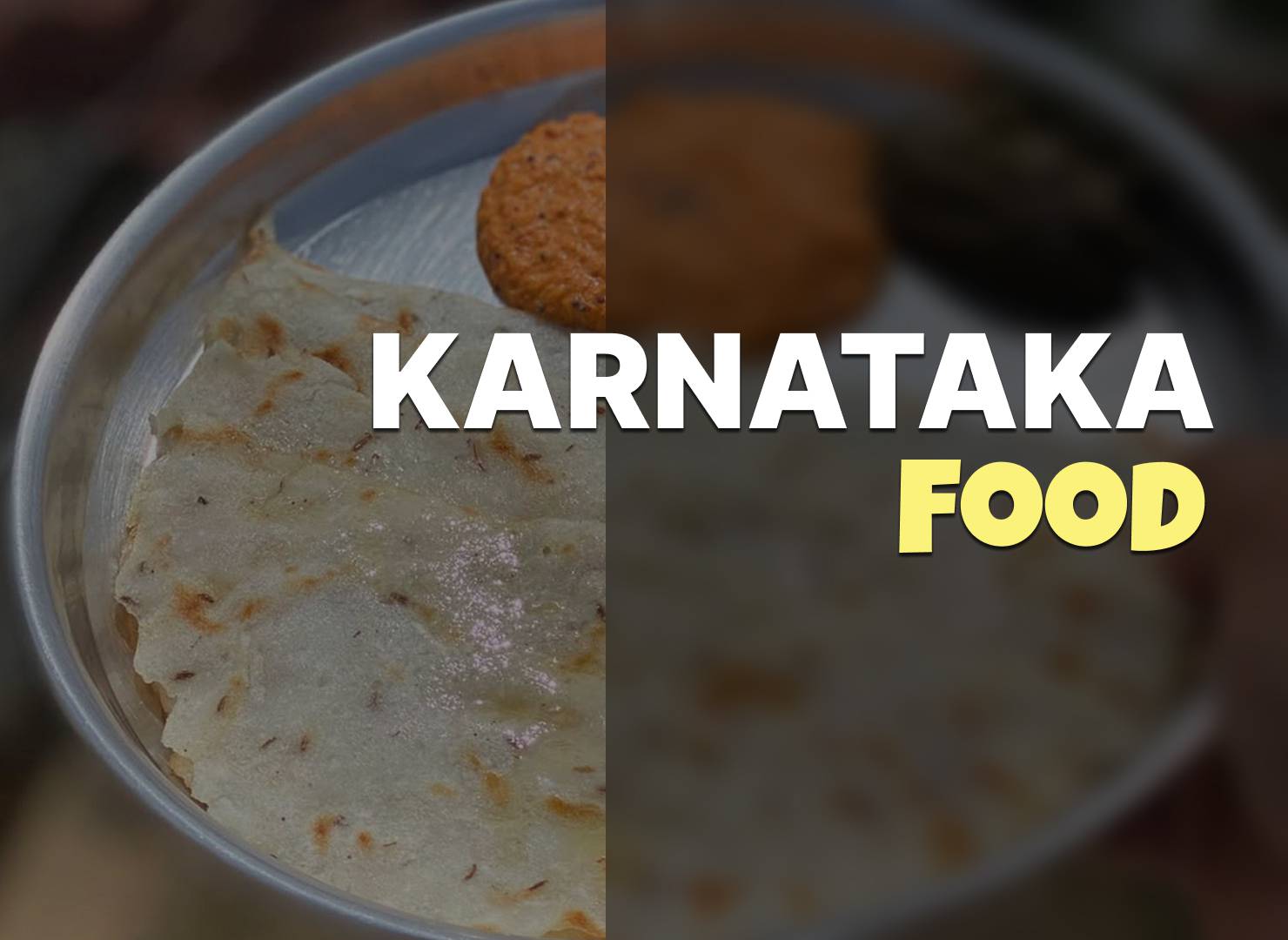
What north, south and coastal Karnataka each cook, from the breakfast plates to the coconut heavy food of the coast, dish by dish.
- 26 Aug 25
14 min
Dakshina Kannada is a district in Karnataka, India. As per the data provided by Census of India in 2011, total population of Dakshina Kannada was 2,089,649 with a growth rate of 10.11%. Dakshina Kannada covers 4,861 Km2 area. Sex ratio of Dakshina Kannada's population is 1020 females for every 1000 males, while child sex ratio is 947 females out of 1000 males.
Download the village data
Every village in Dakshina Kannada as a CSV: population, area and pincode.
For easier reading, details are categorized in four sections i.e. Population of Dakshina Kannada, Urban/Rural population of Dakshina Kannada, Literacy data of Dakshina Kannada and Religion wise data of Dakshina Kannada. Below are the full details and list of tehsils in Dakshina Kannada,Karnataka, India. Select any of these to know detailed information about them.
| DESCRIPTION | VALUE | DESCRIPTION | VALUE |
|---|---|---|---|
| Total Population | 2,089,649 | Growth (%) | 10.11 |
| Male Population | 1,034,714 | Sex Ratio | 1,020 |
| Female Population | 1,054,935 | Child Sex Ratio | 947 |
| Area ( In Km. Square ) | 4,861 |
Dakshina Kannada has a total population of 2,089,649 people. Out of this, the male population stands at 1,034,714 while the female population 1,054,935. The district area is 4,861 square kilometers.
In terms of demographic statistics, Dakshina Kannada has sex ratio of 1,020 females per 1000 males and a child sex ratio of 947 girls per 1000 boys.
| DESCRIPTION | VALUE | DESCRIPTION | VALUE |
|---|---|---|---|
| Urban Population | 996,086 | Rural Population | 1,093,563 |
| Urban Population (%) | 47.67 | Rural Population (%) | 52.33 |
| Urban male Population | 493,230 | Rural Male Population | 541,484 |
| Urban Female Population | 502,856 | Rural Female Population | 552,079 |
| Urban Sex Ratio | 1,020 | Rural Sex Ratio | 1,020 |
Dakshina Kannada urban population is 996,086 (47.67% of the total), while the rural population is 1,093,563 (52.33% of the total). Across the decade to 2011 the district grew by 10.11% overall.
Among the urban population 493,230 are males, and 502,856 are females, resulting in an urban sex ratio of 1,020 females per 1000 males. In the rural population 541,484 are males and 552,079 are females, resulting in an rural sex ratio of 1,020 females per 1000 males.
| DESCRIPTION | VALUE | DESCRIPTION | VALUE |
|---|---|---|---|
| Total Literate | 1,666,323 | Literacy (%) | 88.57 |
| Male Literate | 864,019 | Male Literacy (%) | 93.13 |
| Female Literate | 802,304 | Female Literacy (%) | 84.13 |
| Urban Literate | 828,007 | Rural Literate | 838,316 |
| Urban Male Literates | 423,215 | Urban Male Literacy (%) | 95.50 |
| Rural Male Literates | 440,804 | Rural Male Literacy (%) | 90.97 |
| Urban Female Literates | 404,792 | Urban Female Literacy (%) | 88.83 |
| Rural Female Literates | 397,512 | Rural Female Literacy (%) | 79.83 |
The literacy data of Dakshina Kannada highlights a total literacy rate stands at 88.57% with 1,666,323 literate individuals. Male literacy is 93.13% while female literacy is lower at 84.13% among them, 864,019 males and 802,304 females are literate, highlighting a gender gap.
Urban areas show higher literacy rate with 828,007 people being literate, with men at 95.50% and female at 88.83%, compared to rural areas whereas 838,316 people are literate, with male at 90.97% and female at 79.83%. Highlights a gap between urban and rural literacy rates.
| DESCRIPTION | VALUE | DESCRIPTION | VALUE |
|---|---|---|---|
| Hindu | 1,403,854 | Hindu (%) | 67.18 |
| Muslim | 501,896 | Muslim (%) | 24.02 |
| Sikh | 525 | Sikh (%) | 0.03 |
| Christian | 171,398 | Christian (%) | 8.20 |
| Jain | 10,397 | Jain (%) | 0.50 |
| Buddhist | 445 | Buddhist (%) | 0.02 |
| Other | 138 | Other (%) | 0.01 |
| Not Avaiable | 996 | Not Avaiable (%) | 0.05 |
Dakshina Kannada population is mostly hindu (67.18%) with a total 1,403,854 people. Muslim(24.02%) with a total 501,896 people. Sikh are (0.03%) with a total 525 people. Smaller communities include Christian (8.20% with 171,398 people). Jain (0.50% with 10,397 people) Buddhist (0.02% with 445 people) and Other (0.01% with 138 people). Around (0.05% with 996 people) did not specify their religion. See the full religion breakdown for Dakshina Kannada.
As recorded in the Census of India 2011, Dakshina Kannada district had a population of 2,089,649. That figure has not been revised since, because no later census has been completed.
Dakshina Kannada is divided into 5 tehsils. Each one is listed on this page, and opening a tehsil shows every village recorded inside it.
The sex ratio of Dakshina Kannada is 1020 females for every 1000 males. A figure below 1000 means women are outnumbered in the district.
The child sex ratio of Dakshina Kannada is 947 girls for every 1000 boys, counting only children aged 0 to 6.
The literacy rate of Dakshina Kannada is 88.57 per cent. That works out to 1,666,323 literate people.
Dakshina Kannada covers an area of 4,861 square kilometres.
1,093,563 people in Dakshina Kannada live in rural areas and 996,086 live in urban areas, so the district is counted as largely rural in character.
The population of Dakshina Kannada grew by 10.11 per cent between the 2001 and 2011 censuses.
Dakshina Kannada is a district of Karnataka. You can open Karnataka from this page to see all of its other districts.
A tehsil is the administrative level between a district and a village. Some states call the same unit a taluka, mandal, block or circle, but it sits in the same place in the hierarchy.
Every figure on this page is from the Census of India 2011, the most recent completed census. We present the published data and do not alter it.
Explore the beauty of india and villages of india with our blog.
What north, south and coastal Karnataka each cook, from the breakfast plates to the coconut heavy food of the coast, dish by dish.
14 min
Jharbhoomi पर khatian और Register II देखने का तरीक़ा, भू-लगान रसीद, और आदिवासी ज़मीन पर लगी क़ानूनी रोक की जानकारी।
9 min
Karnataka Bhoomi पर RTC (pahani) निकालने का तरीक़ा, survey number के साथ हिस्सा और सुर्नोक का मतलब, और mutation की स्थिति।
9 min
Banglarbhumi पर khatian और प्लॉट की जानकारी देखने का तरीक़ा, RS और LR खतियान का फ़र्क़, मौज़ा तथा JL number की भूमिका।
9 min
Mahabhumi पर 7/12 (satbara) और 8अ निकालने का तरीक़ा, विभाग चुनने की अड़चन, digitally signed उतारा, और हर पंक्ति का मतलब।
9 min
Apna Khata पर jamabandi nakal निकालने का तरीक़ा, सूचनार्थ और ई-हस्ताक्षरित नक़ल का फ़र्क़, नामांतरण और गिरदावरी की जानकारी।
9 min