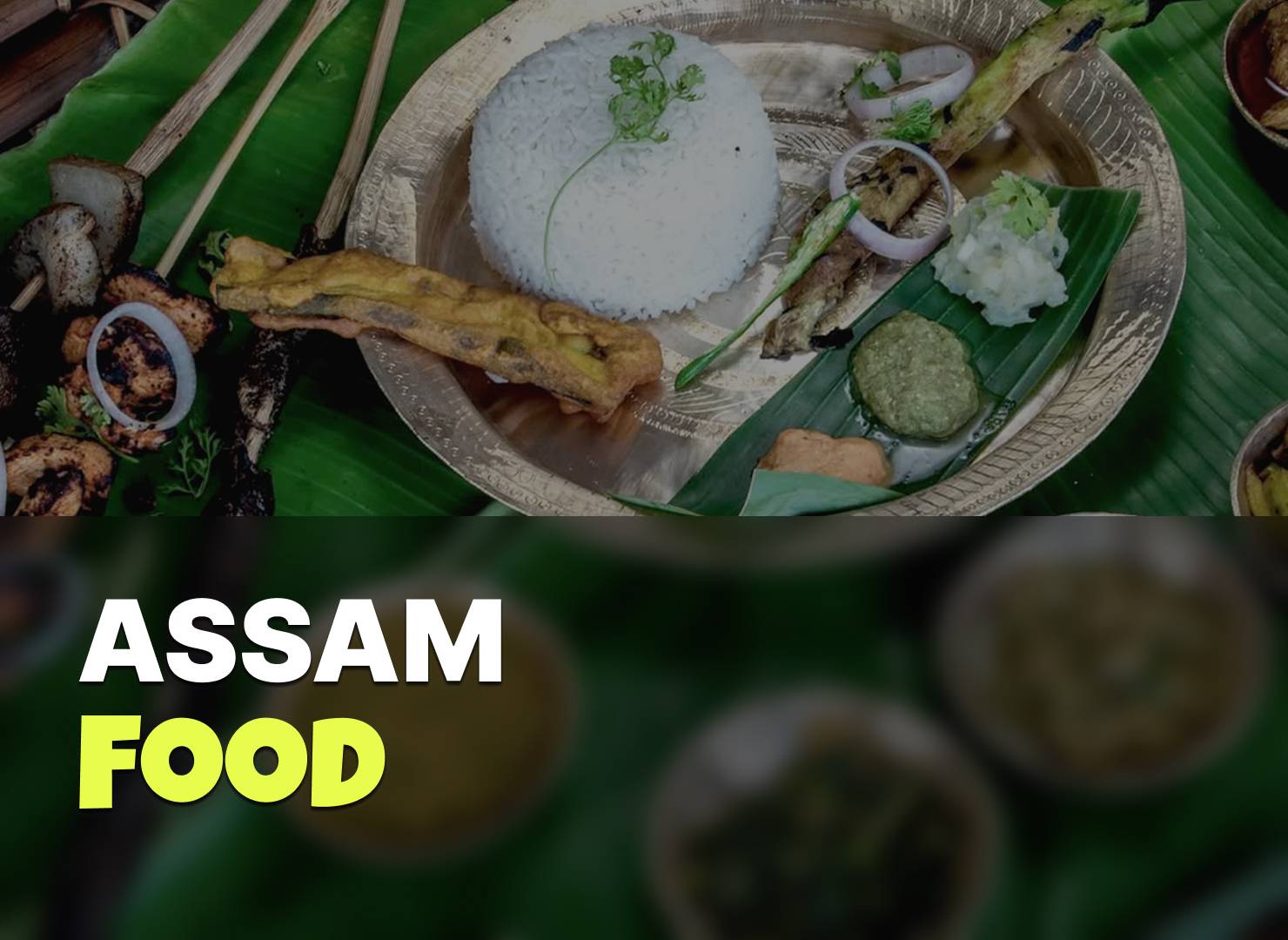
Famous Food of Assam - A Comprehensive Guide to Famous and Traditional
Khar, masor tenga, duck meat curry, pitha and bamboo shoot curry: five dishes that define Assamese cooking, and what each is made of.
- 04 Sep 25
9 min
Mayong is a tehsil in Morigaon district, Assam, India. As per the data provided by Census of India in 2011, total population of Mayong was 242,718, which includes 123,979 males and 118,739 females. Mayong covers 503 Km2 area.
For better understaing, details are categorized in two sections i.e. Population of Mayong, Urban/Rural population of Mayong . Below are the full details and list of villages in Mayong , Morigaon, Assam, India. Select any of these to know detailed information about them.
| DESCRIPTION | VALUE | DESCRIPTION | VALUE |
|---|---|---|---|
| Total Population | 242,718 | Area ( In Km. Square ) | 503 |
| Male Population | 123,979 | Female Population | 118,739 |
Mayong has a total population of 242,718 people. Out of this the male population stands at 123,979 while the female population is 118,739. The area of Mayong covers 503 square kilometers.
| DESCRIPTION | VALUE | DESCRIPTION | VALUE |
|---|---|---|---|
| Urban Population | 27,112 | Rural Population | 215,606 |
| Urban male Population | 14,025 | Rural Male Population | 109,954 |
| Urban Female Population | 13,087 | Rural Female Population | 105,652 |
This table provides a detailed breakdown of the urban and rural population of Mayong. The Mayong urban population is 27,112, with 14,025 male and 13,087 female. In contrast Mayong rural population is 215,606, comprising 109,954 male and 105,652 female. The census counts a settlement as urban when it has a municipality or meets its thresholds for size, density and work outside farming, and everything else as rural.
The Census of India 2011 recorded a population of 242,718 in Mayong tehsil, Morigaon district.
Mayong tehsil contains 175 villages recorded in the 2011 census. Each is listed on this page with its own population and area.
Mayong has 123,979 males and 118,739 females according to the 2011 census.
Mayong covers an area of 503 square kilometres.
215,606 people live in rural parts of Mayong and 27,112 live in urban parts, making it largely rural.
Mayong tehsil is part of Morigaon district in Assam. Open the district page from here to see its other tehsils.
A tehsil is the administrative level between a district and a village. Depending on the state it may be called a taluka, mandal, block or circle.
The villages of Mayong are listed on this page in alphabetical order. If the list runs to several pages, the search box at the top of the site will find a village by name directly.
All figures come from the Census of India 2011, the most recent completed census. No later village level count has been published.
Explore the beauty of india and villages of india with our blog.
Khar, masor tenga, duck meat curry, pitha and bamboo shoot curry: five dishes that define Assamese cooking, and what each is made of.
9 min
Census 2011 में 16,658 गाँवों की village population 50 से कम है, कुछ में सिर्फ़ एक व्यक्ति दर्ज है। जानिए ऐसा क्यों होता है।
8 min
Census 2011 के रिकॉर्ड से: सबसे ज़्यादा गाँवों वाले district और tehsil कौन से हैं, और एक ज़िले में हज़ारों गाँव क्यों बनते हैं।
9 min
Census 2011 के अनुसार भारत के सबसे बड़े गाँव कौन से हैं, village population कितनी है, और शहर जैसी बस्ती गाँव क्यों गिनी जाती है।
9 min
Census 2011 के 5,89,883 गाँवों के रिकॉर्ड से: कितने गाँवों तक bus पहुँचती है, railway station कितनी दूर है, राज्यों में कितना फ़र्क़।
9 min
सरकारी फ़ॉर्म में गाँव, पंचायत, tehsil, block और pin code सही कैसे भरें, और ग़लत भरने पर आवेदन कहाँ अटकता है।
9 min