Famous Food of Assam - A Comprehensive Guide to Famous and Traditional
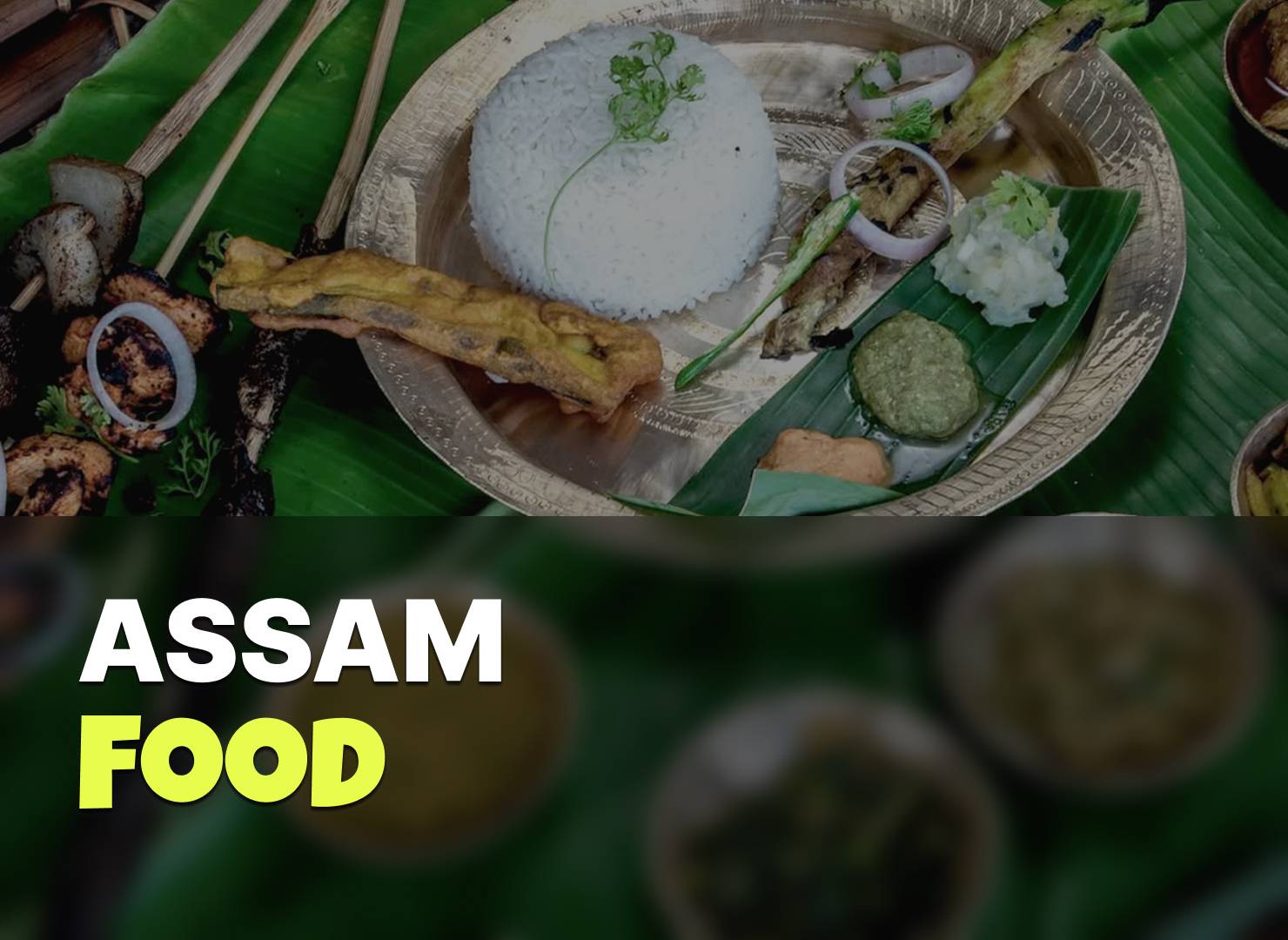
Khar, masor tenga, duck meat curry, pitha and bamboo shoot curry: five dishes that define Assamese cooking, and what each is made of.
- 04 Sep 25
9 min
Wophong Tokbi Gaon is a village in Diphu tehsil, in the district of Karbi Anglong, Assam. The village covers 40 hectares hectares.
| Description | Value |
|---|---|
| State | Assam |
| District | Karbi Anglong |
| Tehsil | Diphu |
| Area (hectares) | 40 hectares |
Source: Census of India 2011, the most recent completed census. Figures have not been revised since collection. Read more on our about the data page.
Wophong Tokbi Gaon covers 40 hectares as recorded in the census.
Wophong Tokbi Gaon falls under Diphu tehsil of Karbi Anglong district in Assam.
Wophong Tokbi Gaon is in Diphu tehsil of Karbi Anglong district. The district and tehsil pages linked from here list the neighbouring villages, which is usually the quickest way to place it on a map.
No. It is the count from the Census of India 2011, the most recent completed census. The population of Wophong Tokbi Gaon today is likely to be higher.
Explore the beauty of india and villages of india with our blog.
Khar, masor tenga, duck meat curry, pitha and bamboo shoot curry: five dishes that define Assamese cooking, and what each is made of.
9 min
Census 2011 में 16,658 गाँवों की village population 50 से कम है, कुछ में सिर्फ़ एक व्यक्ति दर्ज है। जानिए ऐसा क्यों होता है।
8 min
Census 2011 के रिकॉर्ड से: सबसे ज़्यादा गाँवों वाले district और tehsil कौन से हैं, और एक ज़िले में हज़ारों गाँव क्यों बनते हैं।
9 min
Census 2011 के अनुसार भारत के सबसे बड़े गाँव कौन से हैं, village population कितनी है, और शहर जैसी बस्ती गाँव क्यों गिनी जाती है।
9 min
Census 2011 के 5,89,883 गाँवों के रिकॉर्ड से: कितने गाँवों तक bus पहुँचती है, railway station कितनी दूर है, राज्यों में कितना फ़र्क़।
9 min
सरकारी फ़ॉर्म में गाँव, पंचायत, tehsil, block और pin code सही कैसे भरें, और ग़लत भरने पर आवेदन कहाँ अटकता है।
9 min