अपनी तहसील के सारे गाँव कैसे देखें
किसी भी tehsil के सारे गाँव, आबादी और pin code एक ही village list में। चार क़दम का तरीक़ा, और तहसील के अलग-अलग नामों की बात।
- 25 Sep 26
8 min
Baksot is a small village in Zamania tehsil, in the district of Ghazipur, Uttar Pradesh. The Census of India 2011 recorded a population of 16, made up of 10 males and 6 females. That works out to a sex ratio of about 600 females per 1000 males. The village covers 88.5 hectares hectares.
| Description | Value |
|---|---|
| State | Uttar Pradesh |
| District | Ghazipur |
| Tehsil | Zamania |
| Area (hectares) | 88.5 hectares |
| Population | 16 |
| Male Population | 10 |
| Female Population | 6 |
| Sex Ratio (females per 1000 males) | 600 |
| Bus Service (public) | Available |
| Bus Service (private) | Available |
| Nearest Railway Station | Available |
By the 2011 count Baksot is among the smallest villages in the tehsil, which puts it among the smaller settlements locally, where the typical village holds 2,294 residents. Its 88.5 hectares work out to about 0.2 people per hectare, very thinly settled, with most of its land uninhabited. On the sex ratio, the shortfall of women against men is wide, well below the tehsil average of 923.
Baksot is well connected by rural standards, with buses in the village itself and a railway station close by. The census records public bus service for Baksot as Available. Private bus service is recorded as Available. For rail, the census notes the nearest railway station as Available. The nearest villages by name are Bahadurpur T Reotipur, Bahadurpur Ta Chau Ajmal, Bahuwara and Bakainia. These entries describe what was recorded in 2011 and services may have changed since.
Source: Census of India 2011, the most recent completed census. Figures have not been revised since collection. Read more on our about the data page.
As per the Census of India 2011, Baksot village had a population of 16. That makes it among the smallest villages in the tehsil, among the smaller settlements locally for the tehsil, where the typical village holds 2,294 residents.
Baksot village has 10 males and 6 females as recorded in the 2011 census.
Working from the 2011 counts, Baksot has about 600 females for every 1000 males. In short, the shortfall of women against men is wide, well below the tehsil average of 923.
Baksot covers 88.5 hectares as recorded in the census. Against its 2011 population that is roughly 0.2 people per hectare, very thinly settled, with most of its land uninhabited.
Baksot falls under Zamania tehsil of Ghazipur district in Uttar Pradesh.
The census record for Baksot notes the nearest railway station as Available.
The census records public bus service as Available and private bus service as Available for Baksot.
Baksot is in Zamania tehsil of Ghazipur district. The district and tehsil pages linked from here list the neighbouring villages, which is usually the quickest way to place it on a map.
No. It is the count from the Census of India 2011, the most recent completed census. The population of Baksot today is likely to be higher.
Explore the beauty of india and villages of india with our blog.
किसी भी tehsil के सारे गाँव, आबादी और pin code एक ही village list में। चार क़दम का तरीक़ा, और तहसील के अलग-अलग नामों की बात।
8 min
गाँव का नाम पता हो तो pin code एक मिनट में मिल जाता है। village pin code खोजने का तरीक़ा, और एक ही नाम के कई गाँव हों तो क्या करें।
9 min
NREGA job card list, हाज़िरी और payment देखने का पूरा तरीक़ा। कौन सा विकल्प चुनें और नाम न दिखे तो क्या करें, सब हिंदी में।
9 min
Census 2011 में भारत के 5,89,883 गाँव दर्ज हैं। किस राज्य में कितने गाँव हैं, village list कैसे बनती है और पूरी गिनती यहाँ देखिए।
9 min
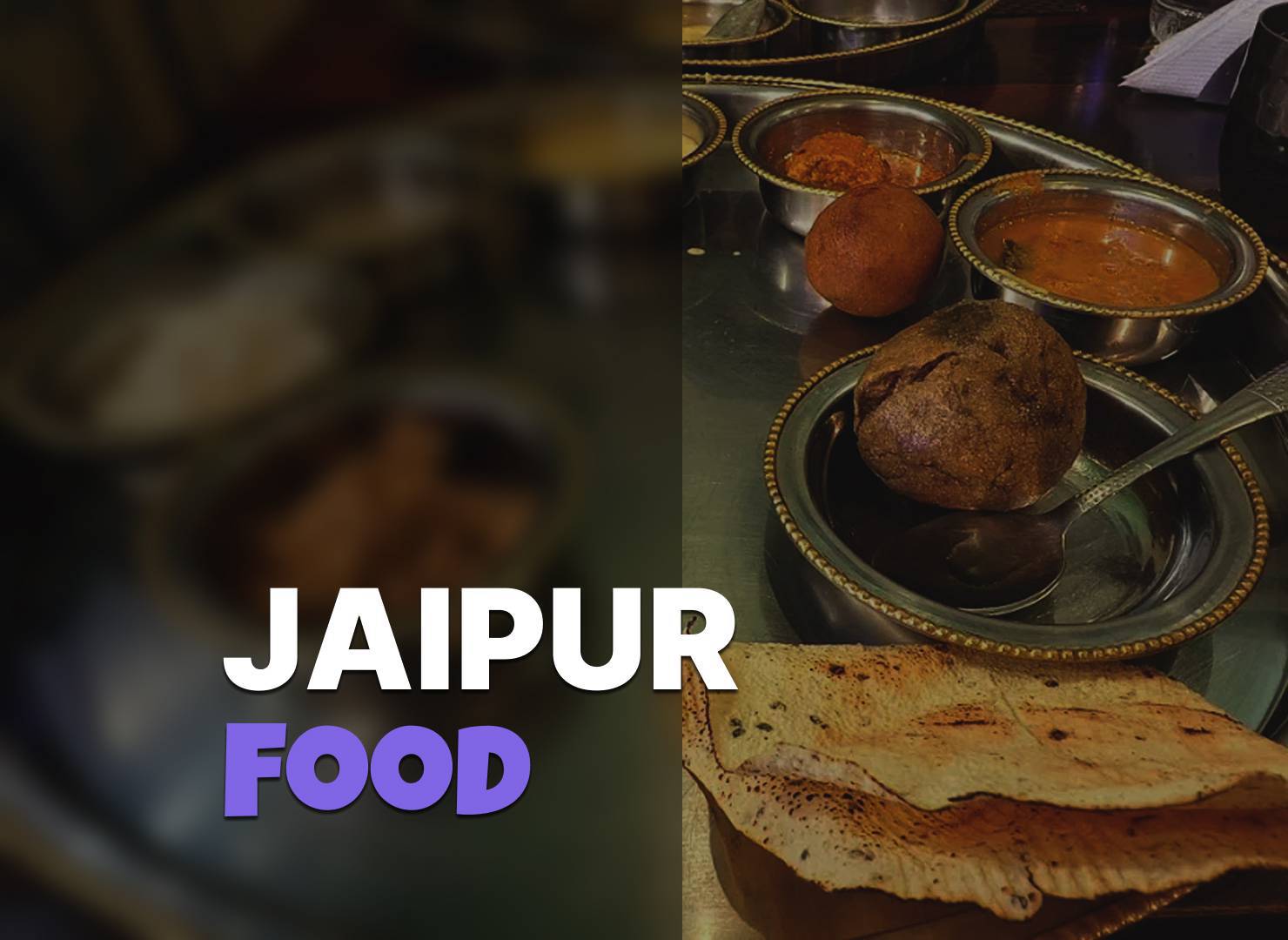
Dal baati churma, laal maas, gatte ki sabzi and ghewar, plus the Jaipur shops people queue at for pyaz kachori.
10 min
Hyderabadi biryani, haleem in Ramzan, Irani chai with Osmania biscuits and the kebabs, with the places that still cook them properly.
9 min