Famous Food of Assam - A Comprehensive Guide to Famous and Traditional
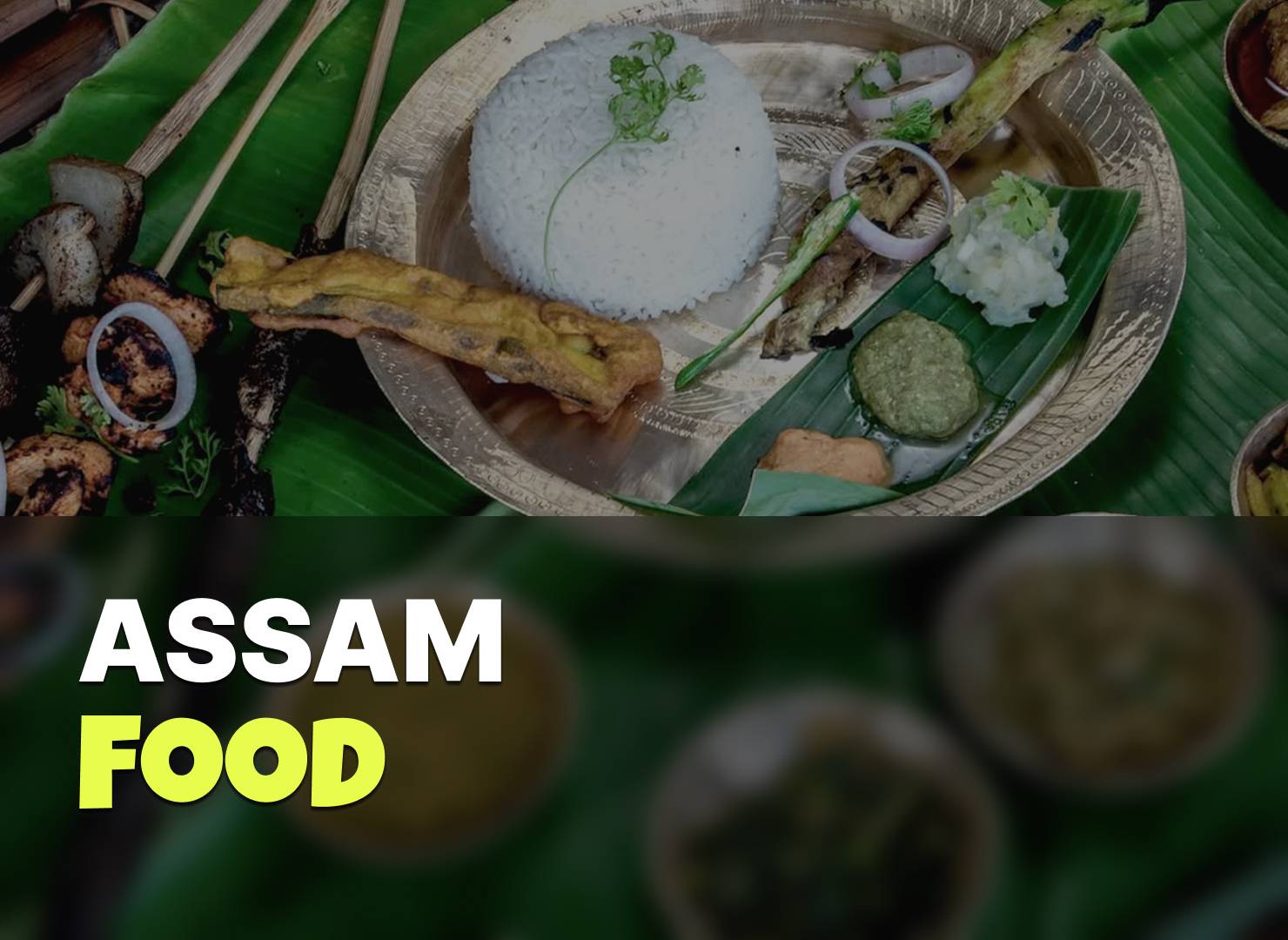
Khar, masor tenga, duck meat curry, pitha and bamboo shoot curry: five dishes that define Assamese cooking, and what each is made of.
- 04 Sep 25
9 min
Jangbandha is a small village in Gossaigaon tehsil, in the district of Dhubri, Assam. The Census of India 2011 recorded a population of 406, made up of 210 males and 196 females. That works out to a sex ratio of about 933 females per 1000 males. The village covers 115.06 hectares hectares.
| Description | Value |
|---|---|
| State | Assam |
| District | Dhubri |
| Tehsil | Gossaigaon |
| Area (hectares) | 115.06 hectares |
| Population | 406 |
| Male Population | 210 |
| Female Population | 196 |
| Sex Ratio (females per 1000 males) | 933 |
| Bus Service (public) | Available within <5 km distance |
| Bus Service (private) | Available within <5 km distance |
| Nearest Railway Station | Available within 10+ km distance |
By the 2011 count Jangbandha is the 244th largest of the 331 villages in the tehsil, which puts it well below average, where the typical village holds 920 residents. Its 115.06 hectares work out to about 3.5 people per hectare, thinly settled, with room between homesteads. On the sex ratio, there are noticeably fewer women than men, a little below the tehsil average of 969.
Jangbandha is reached by bus from a few kilometres away, with rail a longer trip. The census records public bus service for Jangbandha as Available within <5 km distance. Private bus service is recorded as Available within <5 km distance. For rail, the census notes the nearest railway station as Available within 10+ km distance. These entries describe what was recorded in 2011 and services may have changed since.
Jangbandha lies about 42 km from Dhubri, and the nearest railway station is Jorai, about 10 km away. The figures below are straight-line distances from the village to each place. A road journey is longer, usually by a quarter to a half again.
| Nearest railway station | Jorai | 10 km |
|---|---|---|
| Tehsil headquarters | Gossaigaon | 16 km |
| Nearest town | Tufānganj | 17 km |
| District headquarters | Dhubri | 42 km |
These are the nearest recorded villages by distance rather than by name, all of them in Gossaigaon tehsil.
Source: Census of India 2011, the most recent completed census. Figures have not been revised since collection. Read more on our about the data page.
As per the Census of India 2011, Jangbandha village had a population of 406. That makes it the 244th largest of the 331 villages in the tehsil, well below average for the tehsil, where the typical village holds 920 residents.
Jangbandha village has 210 males and 196 females as recorded in the 2011 census.
Working from the 2011 counts, Jangbandha has about 933 females for every 1000 males. In short, there are noticeably fewer women than men, a little below the tehsil average of 969.
Jangbandha covers 115.06 hectares as recorded in the census. Against its 2011 population that is roughly 3.5 people per hectare, thinly settled, with room between homesteads.
Jangbandha falls under Gossaigaon tehsil of Dhubri district in Assam.
The nearest railway station to Jangbandha is Jorai, about 10 km away in a straight line. The 2011 census recorded it as available within 10+ km distance.
The census records public bus service as Available within <5 km distance and private bus service as Available within <5 km distance for Jangbandha.
Jangbandha is about 42 km from Dhubri in a straight line. Road distance is longer, usually by a quarter to a half again, depending on the route.
Jangbandha is in Gossaigaon tehsil of Dhubri district. Jorai is about 10 km away. Gossaigaon is about 16 km away. Tufānganj is about 17 km away. Straight-line distances are a guide to how far out the village sits, not a driving figure.
The closest recorded villages are Kakiladanga (under 2 km), Kamandanga (1.8 km) and Kamandangakhuti (1.8 km).
No. It is the count from the Census of India 2011, the most recent completed census. The population of Jangbandha today is likely to be higher.
Explore the beauty of india and villages of india with our blog.
Khar, masor tenga, duck meat curry, pitha and bamboo shoot curry: five dishes that define Assamese cooking, and what each is made of.
9 min
CG Bhuiyan पर khasra, B1 और bhu naksha देखने का तरीक़ा, digitally signed प्रति, और ग़लती सुधरवाने का रास्ता।
9 min
Jharbhoomi पर khatian और Register II देखने का तरीक़ा, भू-लगान रसीद, और आदिवासी ज़मीन पर लगी क़ानूनी रोक की जानकारी।
9 min
Karnataka Bhoomi पर RTC (pahani) निकालने का तरीक़ा, survey number के साथ हिस्सा और सुर्नोक का मतलब, और mutation की स्थिति।
9 min
Banglarbhumi पर khatian और प्लॉट की जानकारी देखने का तरीक़ा, RS और LR खतियान का फ़र्क़, मौज़ा तथा JL number की भूमिका।
9 min
Mahabhumi पर 7/12 (satbara) और 8अ निकालने का तरीक़ा, विभाग चुनने की अड़चन, digitally signed उतारा, और हर पंक्ति का मतलब।
9 min